Healthcare & Scientific Research

Capture specified high‑quality data with precision vision algorithms

Acquire large volumes of long‑term, human‑related process data required in medical and research workflows

Industry Pain Points

01

Long‑term changes in joint mobility and movement behavior often reflect trends earlier than clinical symptoms. Continuous observation during rehabilitation and exercise has significant value for data collection in neurology, orthopedics, and child development.

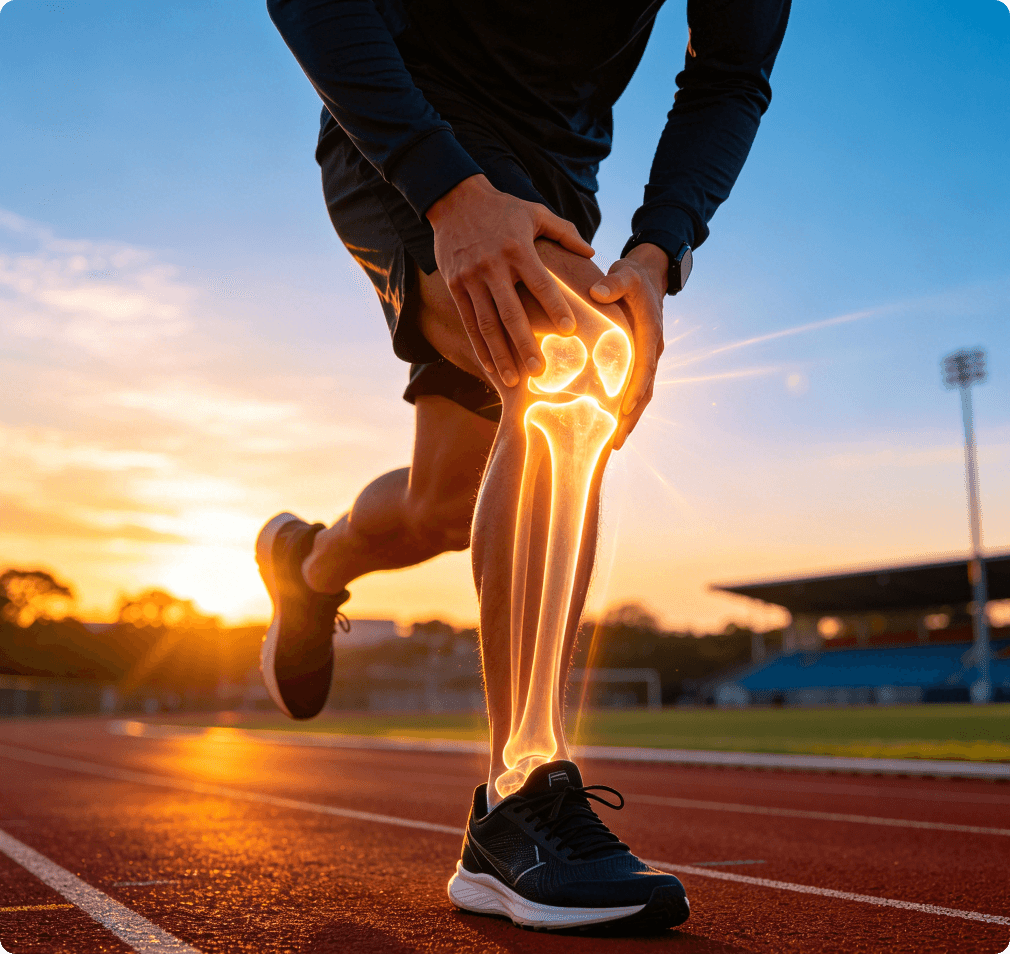
Runner knee pain with skeletal visualization
02

Rehabilitation process data is often missing, and home rehabilitation lacks effective data monitoring

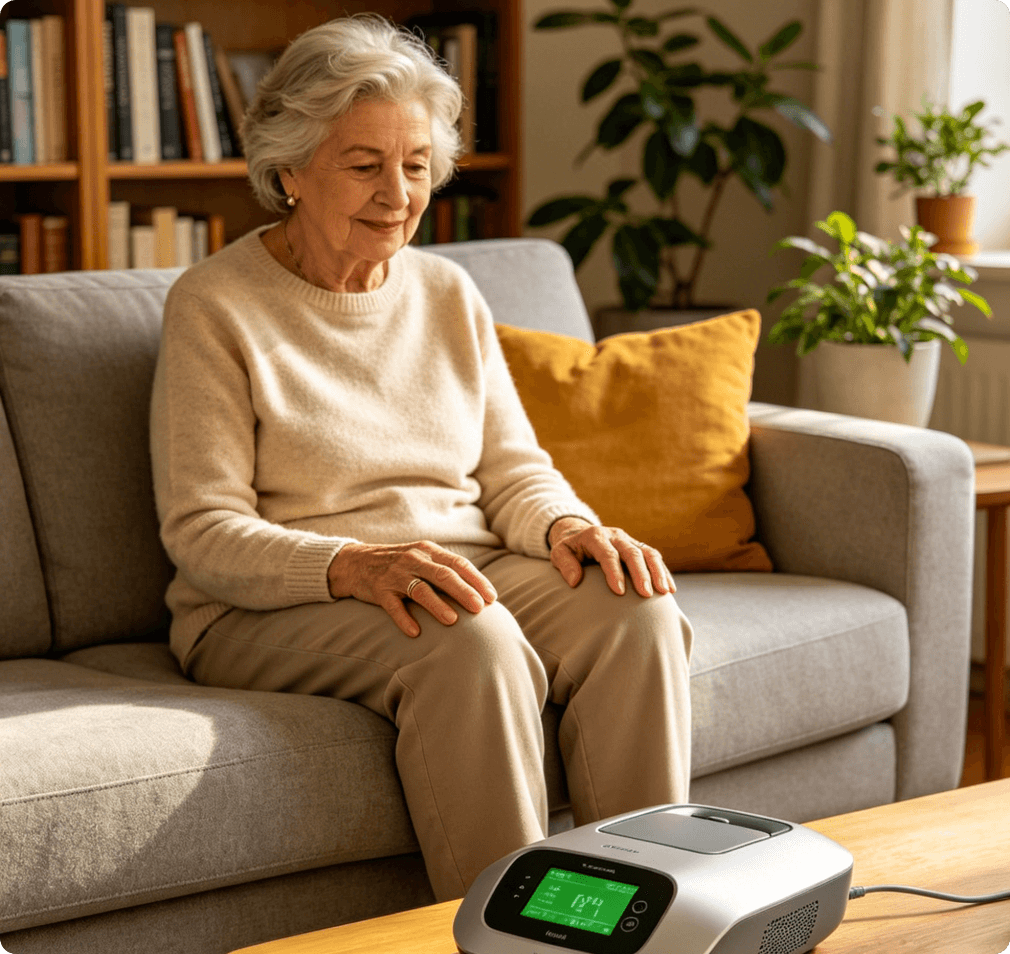
Elderly lower‑limb monitoring in a home rehabilitation scenario

Current Pain Points

Medical research requires not only massive long‑term process data but also faces subjective bias in physician assessments, and patient status is difficult to quantify through self‑reported feedback alone.

Physician recording patient status

Data Requirements

Continuity, precision, and quantifiability

Medical data server racks

Current Data Collection Methods

Manual recording is inefficient and prone to omissions; observer bias causes data skew; questionnaire and interview data lack continuity and are influenced by personal expression and recall, making quantification difficult; single assessments cannot capture long‑term dynamic changes.

Researcher completing patient observation records

Why is accurate data acquisition so difficult?

Core Challenge

Healthcare and medical research industries are centered on "people"

  • Behavior is highly complex and difficult to standardize
  • Poor data continuity with frequent gaps
  • Heavy reliance on manual observation and subjective records
  • Lack of long‑term dynamic process data
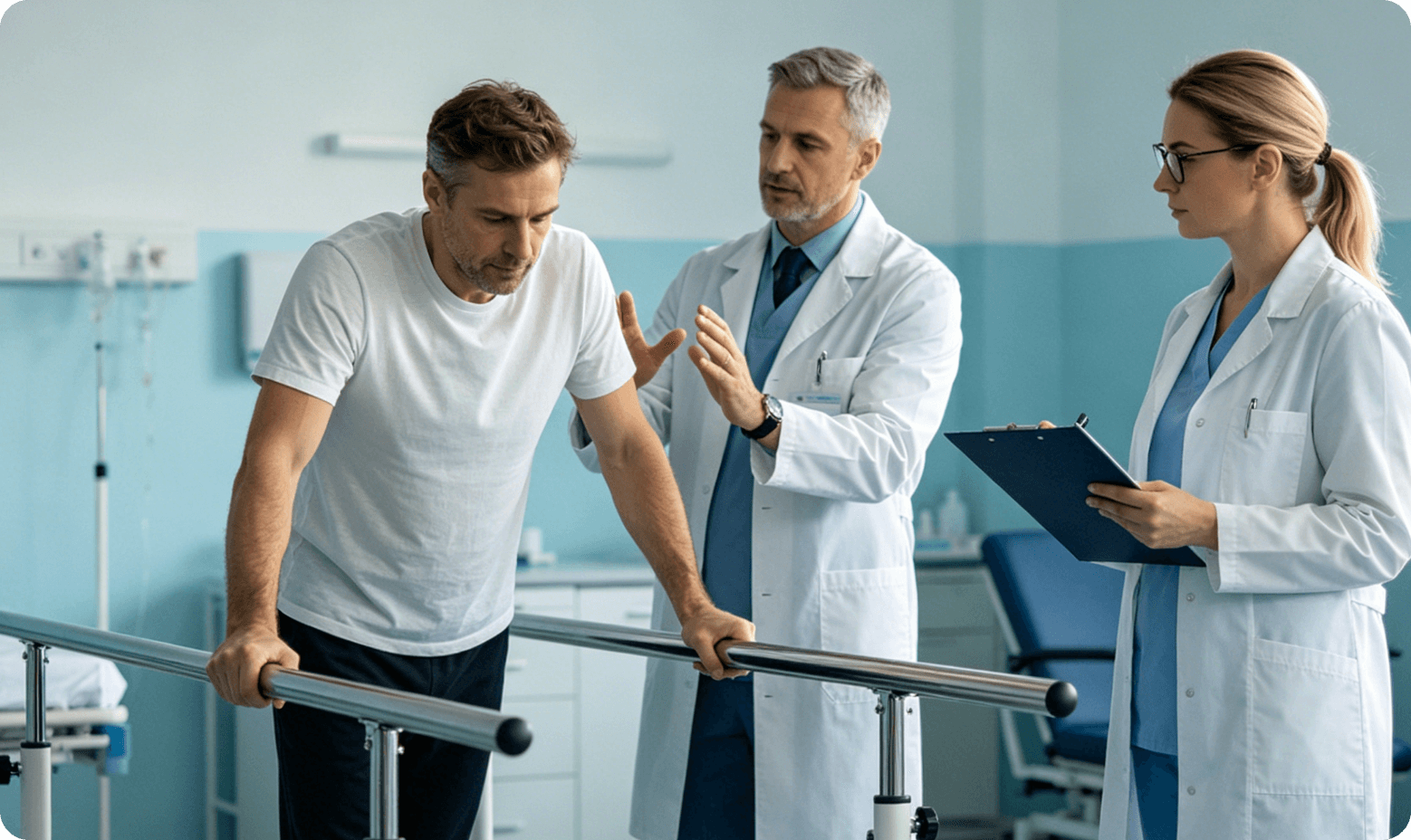
Physician observing patient gait during rehabilitation training

Conclusion: Human behavior is difficult to record continuously, objectively, and in a standardized way

Xeroptix workflow in healthcare applications

Precise acquisition of continuous behavioral data, recording and correcting patient rehabilitation movement data

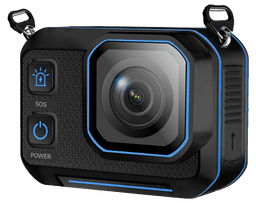
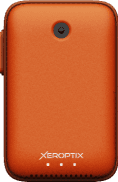
Lite SeriesLightweight devices

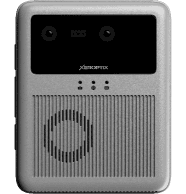
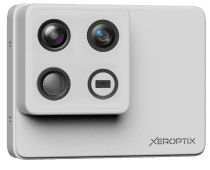
Pro SeriesHigh‑performance series

Medical staff assessing rehabilitation data collection needs

How to choose equipment for collecting and analyzing data?

Xeroptix

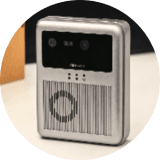
Xeroptix offers multiple hardware options

Lite series vision deviceLite Rugged vision device

Lite Series

Lightweight, customizable devices

Aurora Arc2 deviceAurora Arc3 deviceAurora Arc1 device

Pro Series

High performance
Including Xeroptix Aurora Arc Gen 1, 2, and 3

Xeroptix Outputs

What is the completion rate of a patient's rehabilitation training?

What is the joint flexibility (maximum angle / completion count) for the shoulder, elbow, and wrist?

What is the current walking speed of an elderly person? Is the gait normal?

Left‑right comparison data for arms and legs of rehabilitation subjects

......

API
QMS
WMS
BI
MES
ERP
OPS
R&D
ALM

Customer Value Delivered

Automatically record completion quality, joint range of motion, and strength changes for each rehabilitation session, providing objective data for physicians to adjust rehabilitation plans

Joint flexibility data is valuable in neurodegenerative disease research—for early screening, condition assessment, recovery evaluation, and more

Motion planning, slowness, and coordination for early behavioral anomaly assessment in Alzheimer's disease

Left‑right motion imbalance is valuable in orthopedic rehabilitation and early‑stage recovery

......

How Xeroptix Complements Common Approaches

Common Approaches

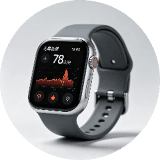
Smartwatch icon

Smart bands/watches and smart mattresses

Monitor heart rate, blood pressure, and sleep data

Smart rehabilitation device icon

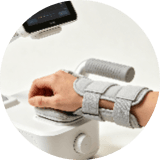
Smart rehabilitation devices

Use IMU and pressure sensors to simulate gripping, extension, and other motions to support hand function and skeletal recovery

Smart rehabilitation program design icon

Smart rehabilitation program design

Design programs based on subject characteristics using rehabilitation and exercise science expertise

Xeroptix Solution

Vital signs monitoring icon

With vital signs monitoring

Combine Xeroptix with vital signs data for more comprehensive, science‑based assessment of patient rehabilitation status and data completeness

Rehabilitation device icon

With rehabilitation devices

Overcome one‑to‑one scenario limits of traditional rehabilitation devices; collect more than a single data type and support diverse rehabilitation processes and research

Rehabilitation program design icon

With rehabilitation program design

Record training process data from rehabilitation programs, then intelligently update program content with data‑driven insights to support and validate program design

Automated training icon

Automated training

Support customized training content, encourage self‑directed rehabilitation, and provide real‑time correction alerts without relying on staff

Quantified Customer Value with Xeroptix

99.9% precision experience visualization

Precision Experience

Angle, speed, count, direction, motion assessment, and more

99.9% recognition accuracy

Xeroptix provides rich industry algorithm templates with precise recognition results, meeting diverse data collection and rehabilitation monitoring requirements in healthcare.

Privacy protection visualization

Privacy Protection

Edge computing with cloud collaboration

Improved satisfaction

The Xeroptix solution visualizes rehabilitation assessment data to improve customer satisfaction; edge computing protects privacy with all images processed locally and anonymized before upload, meeting healthcare privacy requirements.

Data asset visualization

Data Assets

Process data recording

Scientific research support

Xeroptix precisely identifies and records critical process data through algorithms, supporting scientific research such as subsequent disease risk assessment.